Primary record
A filing, transcript, budget, court document, standards draft, public dataset, or official notice. Strong for what it says; weaker for motive and lived effect.
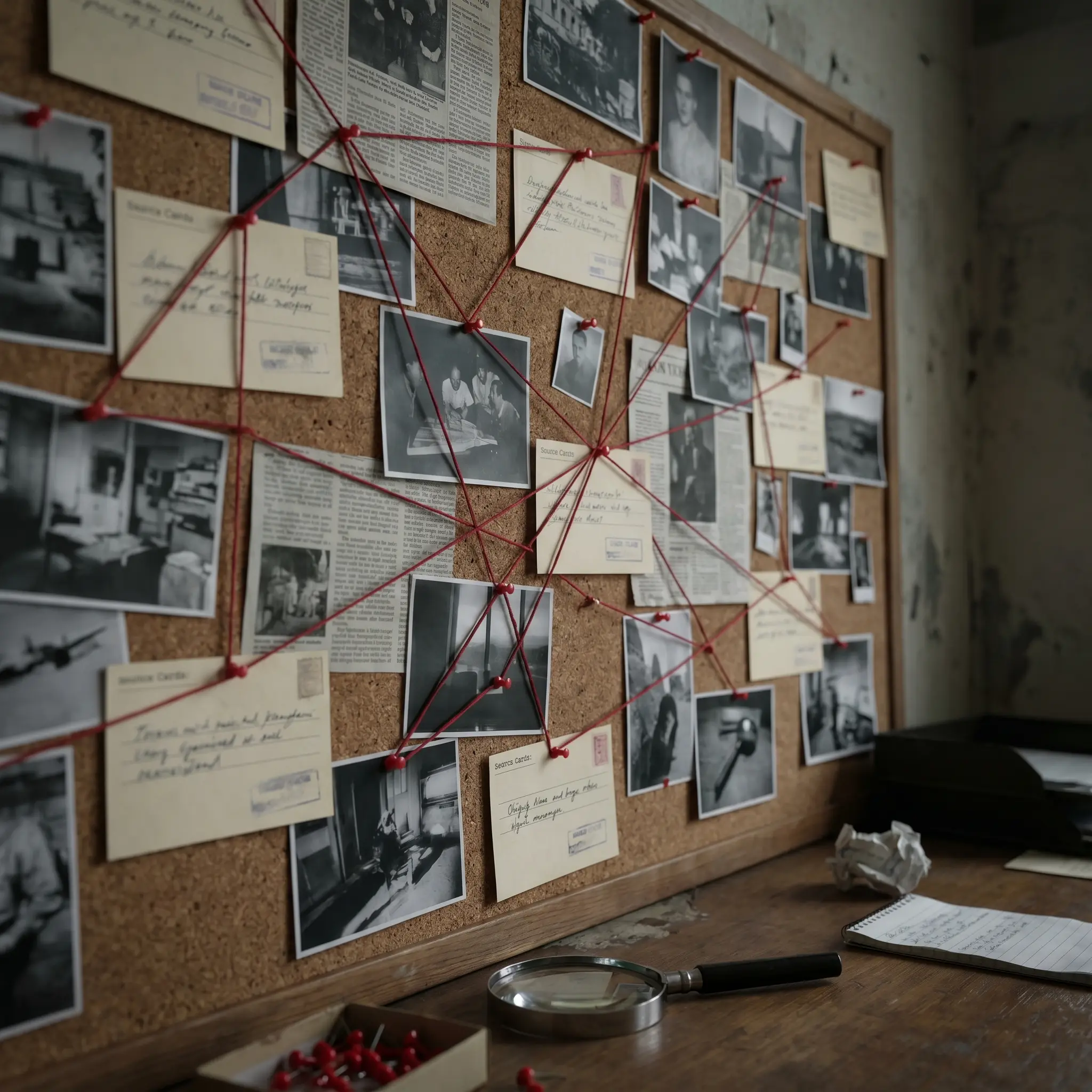
Source desk
Source work is not a decorative list at the bottom of a story. It is the structure that tells a reader what kind of knowledge the page can support. Across Newsroom separates record, observation, interpretation, and advocacy because each can answer a different question. A document may prove that a rule exists without proving that it works. A witness may describe a moment without knowing the system behind it. An expert may explain the system while missing the street-level consequence.
That is why briefings try to pair source types instead of leaning on one confident voice. The best paragraph often carries a record, a human consequence, and a plain note about what has not yet been verified. Readers deserve that architecture in view.
A filing, transcript, budget, court document, standards draft, public dataset, or official notice. Strong for what it says; weaker for motive and lived effect.
A person, image, recording, or field note close to the event. Useful for texture and sequence, but always checked against time, place, and perspective.
A specialist interpretation that can explain systems and tradeoffs. Valuable when the expert names assumptions and does not pretend to own the whole story.
A campaign, company, agency, union, investor, advocacy group, or official defending a position. It may be newsworthy, but its incentives belong in the sentence.